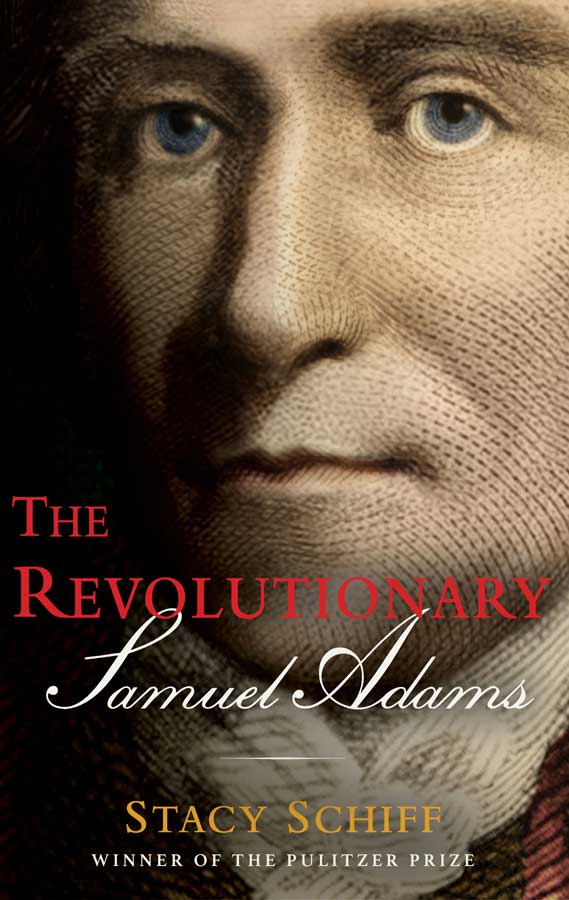
Samuel Adams, eighteenth century. National Portrait Gallery, Smithsonian Institution, acquired through the generosity of David C. Ward.
“I think that I started the book,” historian Stacy Schiff says of The Revolutionary: Samuel Adams, “with this thirst for somebody who—I’ve just been writing about the Salem witch trials for many years. And I was looking for someone who had the courage of his convictions, to stand up and take an unpopular stand, which is something that takes a very long time for anyone to do in the Massachusetts Bay Colony in 1692, when it was very dangerous to take that stand. As it is dangerous again in the 1760s. And Adams very much fit that description. The more time I spent with him, the more time I was convinced and remain convinced that he teaches you that one person can actually make a difference and that ideas actually matter.”
This week on the podcast, Lewis H. Lapham speaks with Stacy Schiff, author of The Revolutionary: Samuel Adams.
Thanks to our generous donors. Lead support for this podcast has been provided by Elizabeth “Lisette” Prince. Additional support was provided by James J. “Jimmy” Coleman Jr.