The World in Time

Aaron Sachs

Friday, August 26, 2022

The Spouting Whale (detail), by William Morris Hunt, c. 1870. Smithsonian American Art Museum, gift of William T. Evans.

“These are indeed dark times,” Aaron Sachs, author of Up from the Depths: Herman Melville, Lewis Mumford, and Rediscovery in Dark Times, says at the start of this episode of The World in Time. “And as a historian, I’ve been wondering my whole professional life how these dark times compare to other dark times…I feel like it’s my job as a historian to to really investigate the claim that there’s no precedent for what we’re going through, because that idea is really disheartening in a lot of ways.”


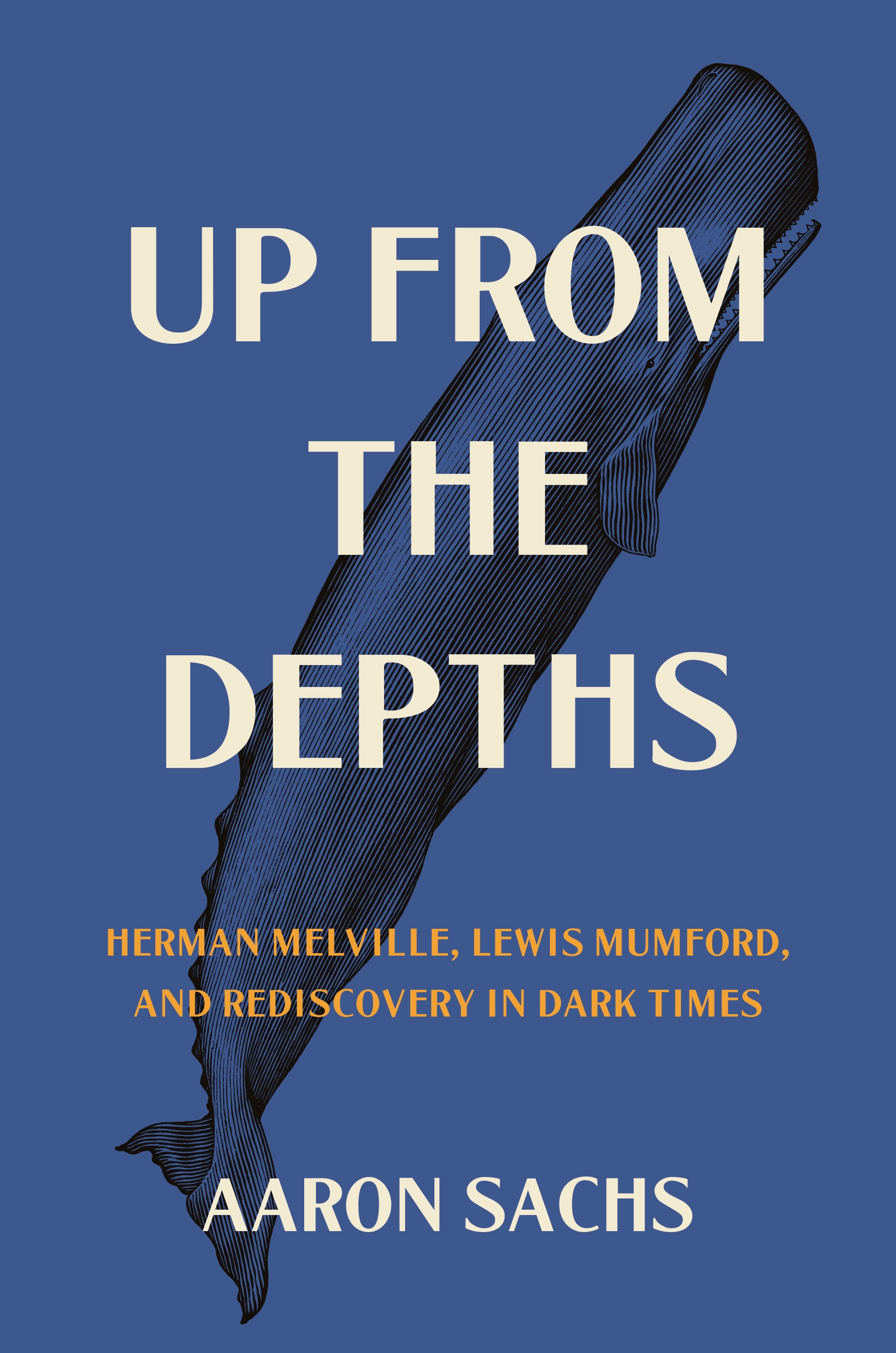
This week on the podcast, Lewis H. Lapham speaks with Aaron Sachs, author of Up from the Depths: Herman Melville, Lewis Mumford, and Rediscovery in Dark Times, about dark times and white whales.


Thanks to our generous donors. Lead support for this podcast has been provided by Elizabeth “Lisette” Prince. Additional support was provided by James J. “Jimmy” Coleman Jr.
Discussed in this episode

More Podcasts

March 19, 2021

The World in Time:

Richard Thompson Ford

Lewis H. Lapham speaks with the author of Dress Codes: How the Laws of Fashion Made History. More

April 29, 2022

The World in Time:

Andrew S. Curran

Lewis H. Lapham speaks with the co-editor of Who’s Black and Why? A Hidden Chapter from the Eighteenth-Century Invention of Race. More

September 23, 2022

The World in Time:

Andrea Wulf

Lewis H. Lapham speaks with the author of Magnificent Rebels: The First Romantics and the Invention of the Self. More

May 03, 2019

The World in Time:

Greg Grandin

Lewis H. Lapham talks with the author of The End of the Myth: From the Frontier to the Border Wall in the Mind of America. More

November 22, 2019

The World in Time:

Matt Stoller

Lewis H. Lapham speaks with the author of Goliath: The 100-Year War Between Monopoly Power and Democracy. More

June 14, 2025

The World in Time:

Episode 2: Lewis H. Lapham, Part Two

“Lewis understood that without the past, we lose the ability to think productively or even understand the present.” More