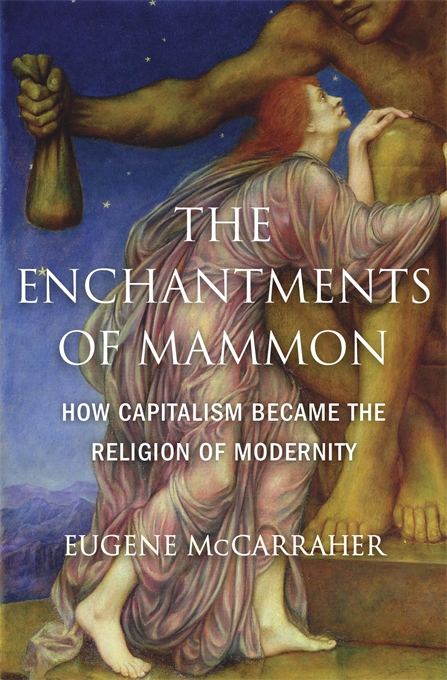
Mammon, by George Frederic Watts, c. 1884. Photograph © Tate (CC-BY-NC-ND 3.0).
“The history of capitalism in America has been a tale of predation,” historian Eugene McCarraher writes at the beginning of The Enchantments of Mammon: How Capitalism Became the Religion of Modernity, “an ambitious but inexorably grotesque and destructive endeavor in the manufacture of beatitude, and that story is arguably winding down to its conclusion. What better time to trace the outlines of that history and inquire into the possibilities that lie dormant in the present?”
In the latest episode of The World in Time, Lewis H. Lapham and McCarraher discuss and unpack the author’s argument that “we should welcome the demise of our misenchanted way of life as an opportunity for repentance and renewal. But redemption can only come if we tell a different story about our country and its unexceptional sins.”
Lewis H. Lapham speaks with Eugene McCarraher, author of The Enchantments of Mammon: How Capitalism Became the Religion of Modernity.
Thanks to our generous donors. Lead support for this podcast has been provided by Elizabeth “Lisette” Prince. Additional support was provided by James J. “Jimmy” Coleman Jr.