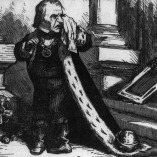
Franklin D. Roosevelt reception, 1920. Library of Congress, Prints and Photographs Division, National Photo Company Collection.
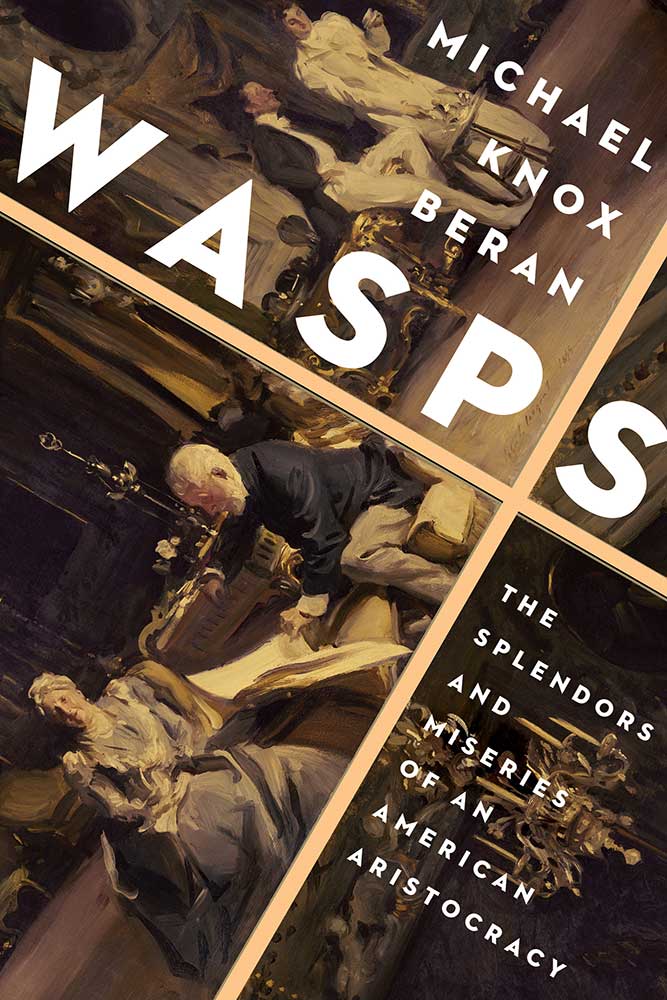
“They were, by and large, descended from the well-to-do classes of colonial and early republican America, from New England merchants and divines, from Boston Brahmins and Anglo-Dutch Patroons,” Michael Knox Beran writes of the figures at the center of WASPS: The Splendors and Miseries of an American Aristocracy. “But the Civil War and its attendant changes altered their place in life, and they emerged from the crisis as something different from what their forebears had been: as both a class and a movement, self-consciously devoted to power and reform. What to call them? The term WASP—White (or Wealthy, if redundancy is to be avoided) Anglo-Saxon Protestant—fumbles their background, betraying the sociologist’s inclination to use a term like Anglo-Saxon when the plainer, more obvious English one would do. (In this case, English.) For there is nothing especially Saxon or Angle about America’s WASPs. Insofar as they embody any English strain, it would be the Norman. Like the Normans, the WASP oligarchs possessed a corrosive blood-pride, one that they could only with difficulty reconcile with their sense of themselves as suffering idealists, groping their way through dark places in the hope of glimpsing the stars.”
In this episode of The World in Time, Lewis H. Lapham and Michael Knox Beran discuss the history of the WASPs: their politics, geography, influence, and predicted obsolescence.
Lewis H. Lapham speaks with Michael Knox Beran, author of WASPS: The Splendors and Miseries of an American Aristocracy.
Thanks to our generous donors. Lead support for this podcast has been provided by Elizabeth “Lisette” Prince. Additional support was provided by James J. “Jimmy” Coleman Jr.