The World in Time

Catherine Nixey

Friday, June 29, 2018

Sarcophagus with Scenes from the Lives of Saint Peter and Christ (detail), c. 300. The Metropolitan Museum of Art, Gift of Josef and Marsy Mittlemann, 1991.

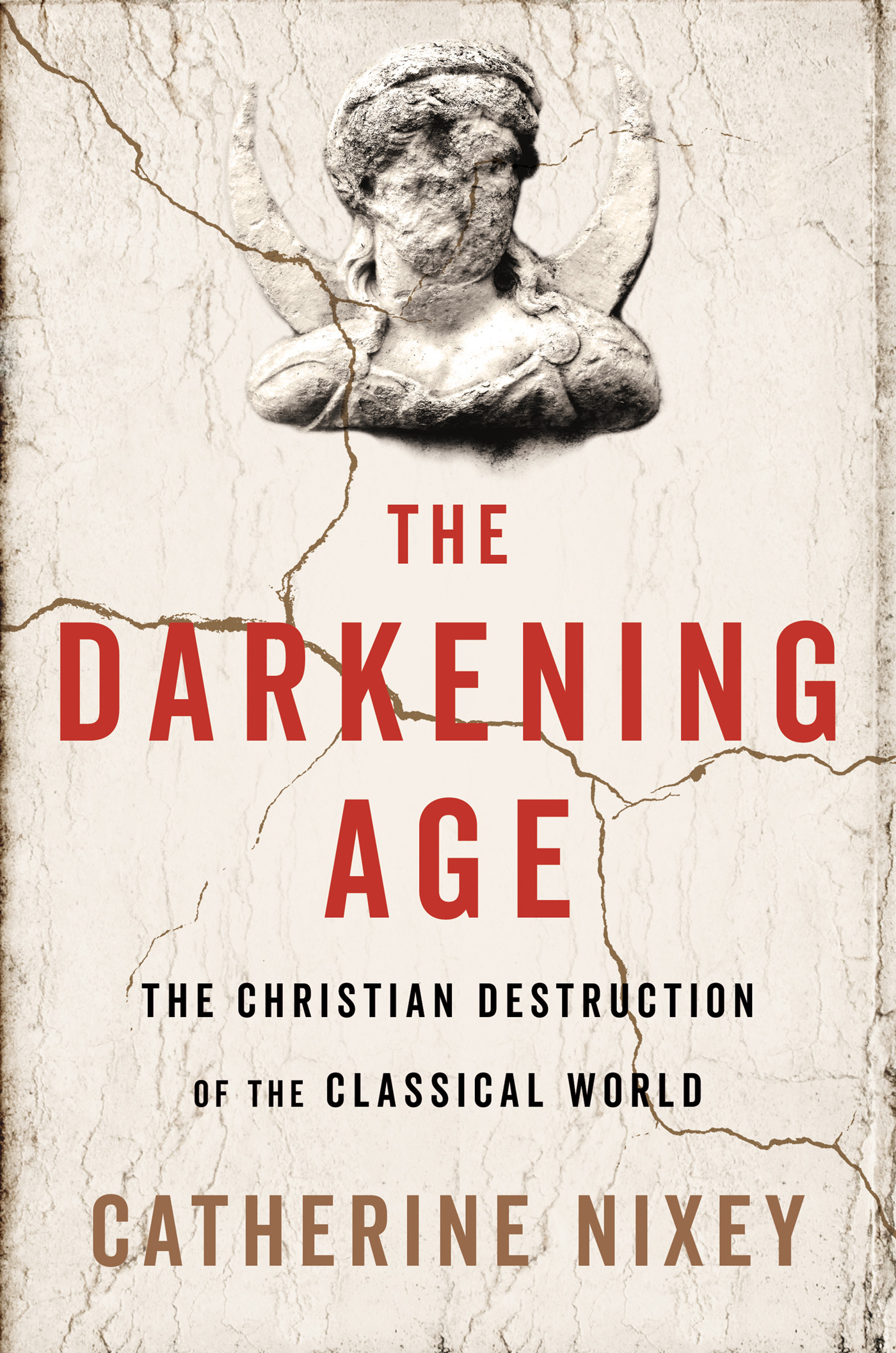
When it comes to the ancient world, what Catherine Nixey calls “the story of wicked, oppressing Romans crushing the Christians of the empire who just wanted to be free and wanted to praise God” in this episode of The World in Time is a familiar one. Unfortunately, “when you look at almost any element of that story, it’s nonsense.” In her book The Darkening Age: The Christian Destruction of the Classical World, she sets out to dismantle this well-trod foundational myth. Nixey spoke with Lapham’s Quarterly about how ancient Christians did much to crush to the world they inhabited.


Lewis H. Lapham talks with Catherine Nixey, author of The Darkening Age: The Christian Destruction of the Classical World.


Thanks to our generous donors. Lead support for this podcast has been provided by Elizabeth “Lisette” Prince. Additional support was provided by James J. “Jimmy” Coleman Jr.
Discussed in this episode

More Podcasts

December 07, 2018

The World in Time:

Joseph J. Ellis

Lewis H. Lapham talks with Joseph J. Ellis, author of American Dialogue: The Founders and Us. More

June 14, 2019

The World in Time:

David Wallace-Wells

Lewis H. Lapham talks with the author of The Uninhabitable Earth: Life After Warming. More

December 22, 2021

The World in Time:

David Wengrow

Lewis H. Lapham speaks with the coauthor of The Dawn of Everything. More

September 15, 2011

The World in Time:

Green Mountain Boy

Willard Sterne Randall and Lewis Lapham talk about the life and adventures of Ethan Allen.  More

March 24, 2023

The World in Time:

Jared Yates Sexton

Lewis H. Lapham speaks with the author of The Midnight Kingdom: A History of Power, Paranoia, and the Coming Crisis. More

July 14, 2011

The World in Time:

Trade Routes

Lewis Lapham talks with historian James Mather about a time when British foreign relations were more peaceful and diplomatic than they later became. More